A closer look at Clayfield Copse
By Claire Andrews
Over the coming weeks, members of the Berkshire and South Buckinghamshire Bat Group will be taking part in a series of bat box checks across the region.
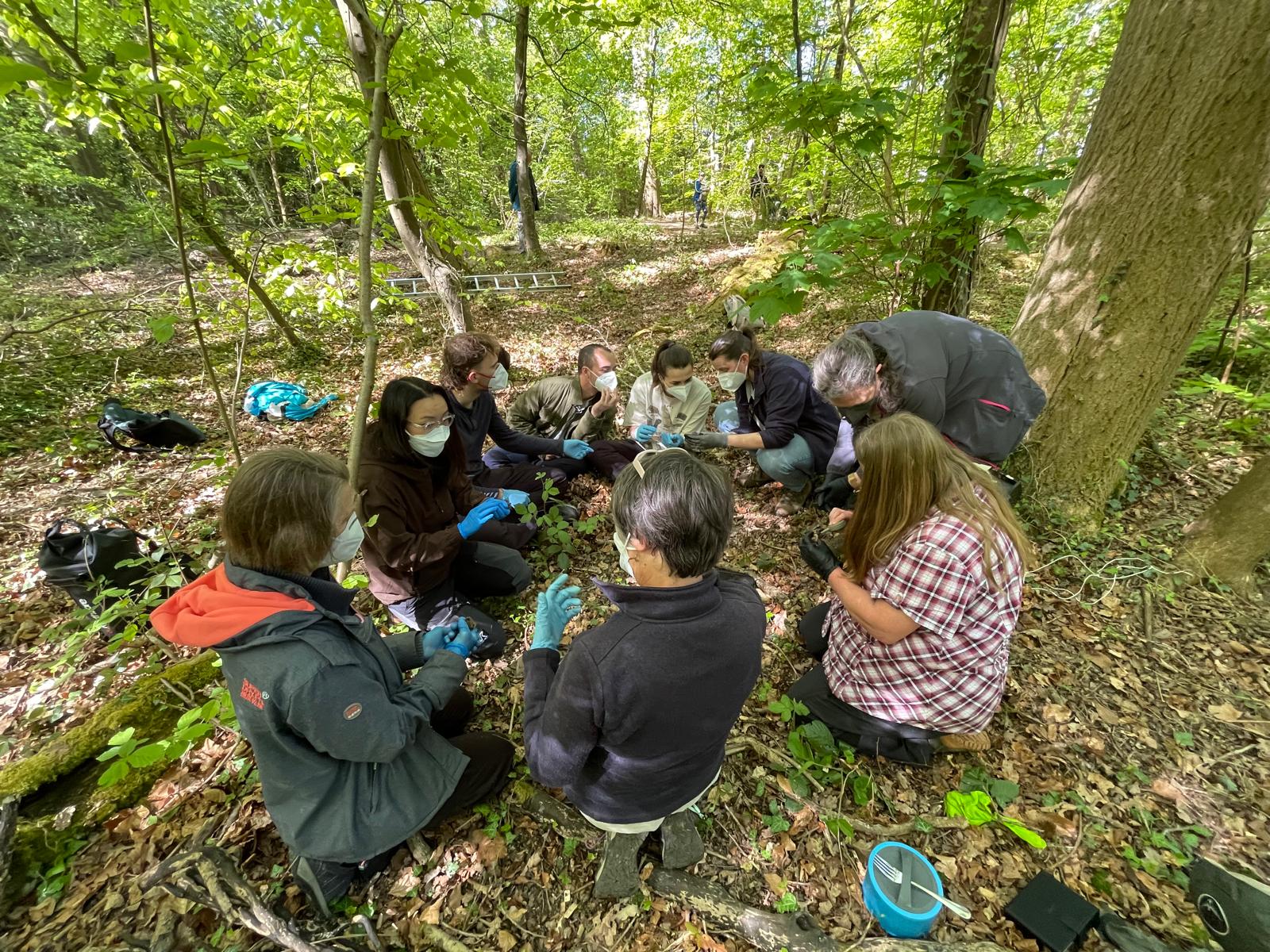
For volunteers, these sessions are a fantastic opportunity to get close to bats, learn how to identify different species and gain practical experience of bat handling alongside experienced, licensed bat workers. But there is another, equally important reason for doing these checks: every bat found in a box adds another piece to the jigsaw of how our local bat populations are using the landscape.
Bat box schemes can provide valuable long-term information about which species are present, how they use different types of roost, when they use them and how this changes over time. Regular monitoring helps us build up a picture of the health of a site and its bat populations, provides up-to-date records and can highlight new roosting opportunities that might otherwise go unnoticed.
They also provide an important opportunity for public engagement. Being able to show passers-by a bat close-up, explain how it is identified and talk about why the woodland is important can turn an abstract conservation issue into something much more tangible.
Clayfield Copse – a long history of bats
The Berkshire and South Buckinghamshire Bat Group has a long association with Clayfield Copse, stretching back to the 1980s. I have been involved with the site and its bat monitoring for many years, including the establishment and development of the current bat box scheme.
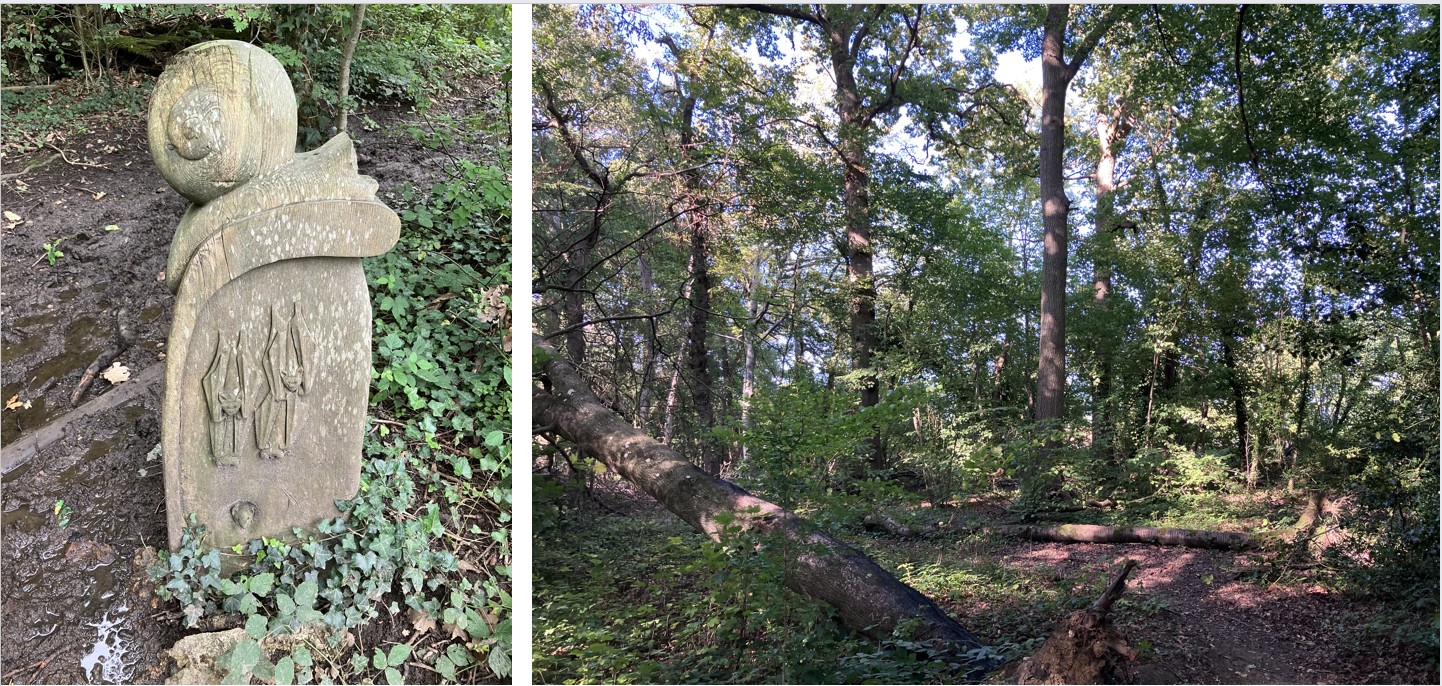
Clayfield Copse is a relatively small remnant of ancient woodland on the edge of Emmer Green. Its location makes it particularly interesting from a bat conservation perspective – but also presents some challenges.
The woodland is intensively used by local people. It is a popular destination for dog walkers and the adjacent green space is used for sports, recreation and other activities throughout the year. Long-term monitoring helps us understand where the important roosts are and how bats are using the site alongside the many people who enjoy it.
And there is a remarkable amount of bat activity packed into this relatively small area.
A woodland full of roosts
Over the years, monitoring – including the bat box scheme – has revealed an impressive range of roosting activity within this relatively small woodland.
Clayfield supports or has supported noctule maternity, hibernation and day roosts, as well as a Daubenton’s maternity roost and a Natterer’s maternity roost. The woodland also supports common and soprano pipistrelle day roosts, soprano pipistrelle mating roosts, and brown long-eared maternity and day roosts.
A large colony of noctule bats has been known from the site for many years. For a period, the noctules shared a roost with Daubenton’s bats, and this became the focus of some particularly detailed monitoring. For four years, the noctule and Daubenton’s roost was monitored every two weeks. This generated a huge amount of information about how bats were using the woodland, while also helping to locate roosts of several other species.
Trying to create new roosting opportunities
The original bat box scheme included large log boxes, installed partly in an attempt to encourage the noctules to move away from one of their existing roosts, which was particularly vulnerable to disturbance.
The noctules, however, had other ideas. They never took up residence in those boxes at that point, but instead began using ash trees elsewhere in the woodland.
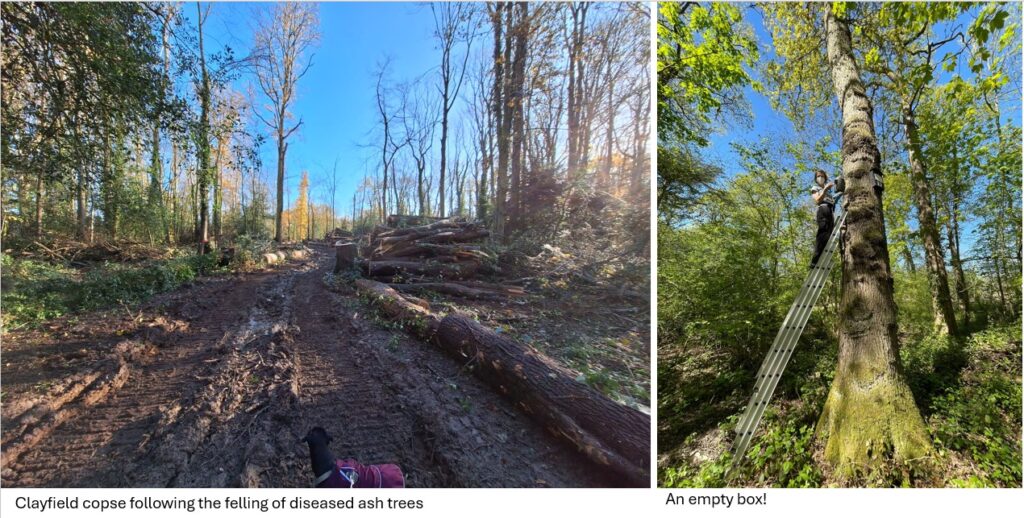
More recently, ash dieback has created a new challenge. The loss of mature ash trees threatens some of the woodland’s existing bat roosting opportunities. The Bat Group has worked with the council to try to retain known roost trees wherever possible and to provide alternative roosting opportunities where trees are likely to be lost.
It is another reason why long-term monitoring is so important. We need to know not only where bats are roosting now, but whether the alternative roosts we provide are actually being used.
A new generation of bat boxes
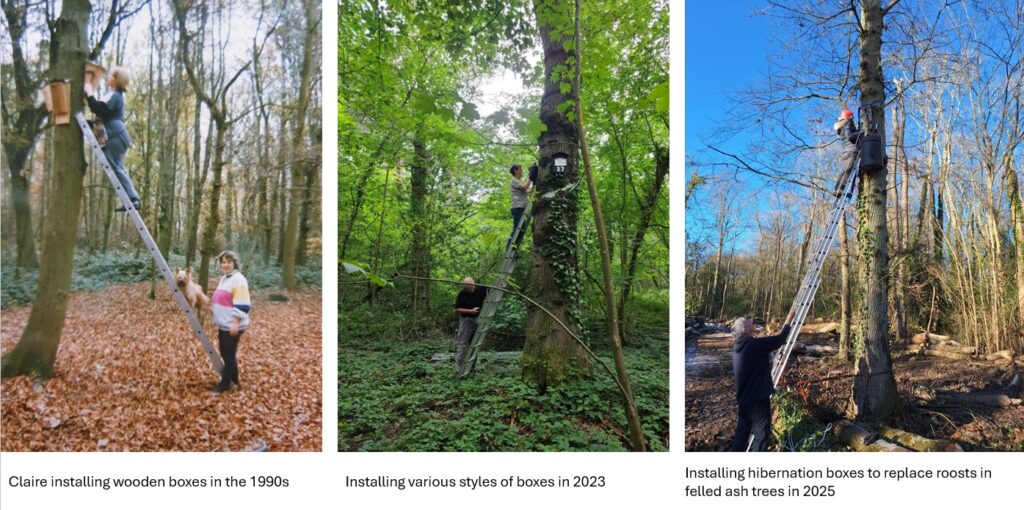
By the late 2000s, many of the boxes installed during the 1990s had become damaged or had deteriorated. So in 2010, I led a major renewal of the box scheme, installing a new series of boxes designed, in particular, with the woodland’s noctules in mind.
The boxes were monitored monthly for their first year and subsequently once or twice a year. In 2023, the monthly monitoring was repeated for another year, giving us an unusually detailed long-term dataset. In 2023 missing and damaged boxes replaced and the scheme was extended into another part of the woodland, with funding from the bat group and from Friends of Clayfield.
As part of the 2023 refurbishment of the box scheme, we also decided to try a small experiment.
Schwegler woodcrete boxes have a reputation for being particularly attractive to bats, but they have become increasingly expensive. We therefore installed pairs of boxes across the woodland, comparing Schwegler boxes with some similar, less expensive alternatives.
The early results were not particularly encouraging for the cheaper alternatives. Some have subsequently been used, however, and there will be a more detailed look at the results in a future post.
Success at last!
The boxes installed in 2010 had been designed with noctules in mind. The inspiration came partly from successful use of large hibernation boxes by noctules elsewhere in southern England. The hope was that it might be possible to replicate that success at Clayfield.
It took a while.
In fact, it took more than 13 years.
During the winter of 2023/24, the first noctules were finally recorded using the boxes.
And not just one or two.
Twenty noctules were found hibernating together in one of the large hibernation boxes.
After more than a decade, the principle of noctules using artificial roosts in this woodland had been established. The hope is that, having now discovered that these boxes provide suitable roosting opportunities, other noctules will find and use new boxes more quickly.
New boxes for an old woodland
The story is still developing. A number of new mitigation boxes were installed in 2025 as part of work associated with ash dieback. The intention is to provide additional roosting opportunities and, importantly, to try to retain the woodland’s noctule colony as the tree stock changes. The new boxes were checked in spring 2026, but there were not yet any signs that noctules had taken up residence.
So we are eagerly awaiting the next round of checks.
Will the noctules have found them?
Will another species have got there first?
Or will the boxes remain stubbornly empty for another year?
That’s the nature of long-term monitoring – you have to keep looking to find out.
So what actually happens during a bat box check?
A bat box check is much more than simply opening a box and seeing whether there is a bat inside. Under the supervision of experienced licensed bat workers, volunteers learn how to approach the box carefully and minimise disturbance.
The process generally involves:
1. Checking the box
The box is carefully opened and inspected for bats and other signs of use, such as droppings.
2. Carefully removing any bats
If bats are present, they are carefully removed by an appropriately experienced and licensed person. Volunteers can observe and, where appropriate, gain supervised practical experience of handling.
3. Identifying the bat
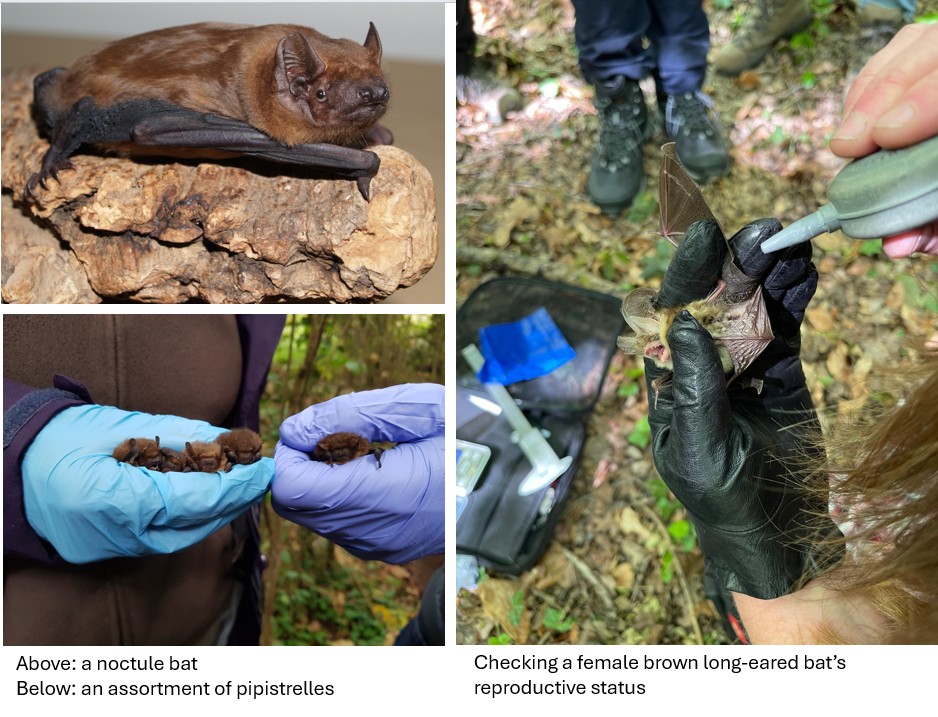
The bat is examined to determine the species. Depending on the circumstances, other information may also be recorded, such as sex, age class and reproductive condition.
4. Recording the information
The details are recorded as part of the ongoing monitoring programme. Each record contributes to the long-term dataset for the site.
5. Returning the bat
Once the necessary information has been collected, the bat is returned to the box which is temporarily stuffed with suitable material to allow the bat to settle safely and reduce the chance of it immediately leaving while the check is completed.
The aim throughout is to keep handling time and disturbance to an absolute minimum.
More than just counting bats
A single record tells us that a particular species was using a particular box on a particular day.
Twenty years of records can tell us something very different.
They can reveal changes in species composition, seasonal patterns, preferences for different box types, changes in occupancy and the way bats respond when the woodland itself changes.
At Clayfield, the long-running dataset has helped build a detailed picture of how bats use this woodland. It has revealed a surprising diversity of roost types and species, helped identify important roosts, and contributed to decisions about where alternative roosting opportunities are needed.
It also gives us a way of monitoring the success of mitigation and new roosting provision over time.
And there is another benefit: people.
Clayfield is a well-used public woodland, and bat box checks provide an opportunity to engage with the people who use it. Showing someone a noctule or a brown long-eared bat, explaining what the animal is doing in the box and why the woodland matters can create a much stronger connection with local wildlife.
Conservation isn’t just about protecting habitat and species. It is also about helping people understand and value the wildlife on their doorstep.
What will we find this autumn?
This year’s box checks are already fully booked, so unfortunately there is no room for additional volunteers to join the checks this year. For those who are taking part, however, there is plenty to look forward to.
Every box has a story to tell. Some will be empty. Some may contain droppings or other evidence of use. Some may contain a single bat, while others might hold several animals together. And perhaps one of them will contain another surprise.
At Clayfield Copse, the story of the boxes is already more than a decade old. It began with the hope that noctules might eventually adopt artificial roosts, continued through years of patient monitoring, and culminated in the discovery of 20 hibernating noctules in 2023/24.
Now there are new boxes, new challenges and a changing woodland.
The only way to find out what happens next is to keep checking.
So, what’s in the box? We’ll find out.